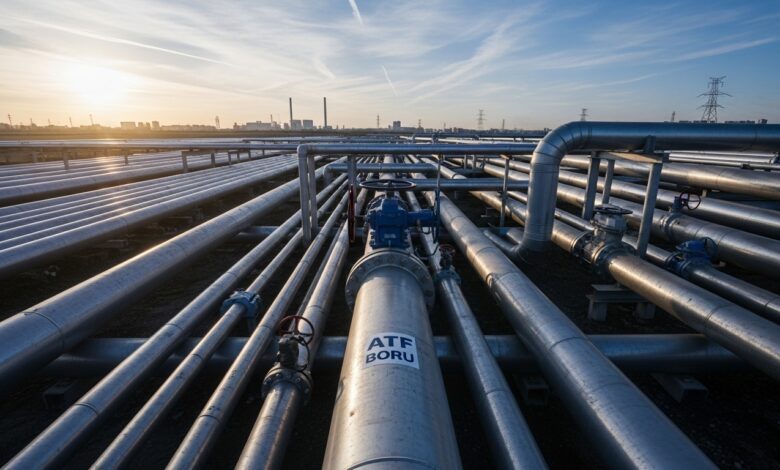
In the world of infrastructure, few elements are as vital yet often overlooked as ATF Boru. This essential component forms the backbone of modern pipeline systems, ensuring that resources flow smoothly and efficiently across vast distances. With increasing demands for energy and water distribution, understanding the role of ATF Boru has never been more important.
From transporting oil and gas to carrying water and chemicals, ATF Boru plays a crucial part in various industries. As we dive into its history, advantages, applications, and more, you’ll discover why this seemingly simple material is integral to our daily lives. Whether you’re an industry professional or simply curious about how pipelines work, let’s explore the fascinating world of ATF Boru together!
History of ATF Boru and its development over the years
The history of ATF Boru is a fascinating tale of innovation and resilience. Originating in the early 2000s, it was developed as a solution to meet the growing demands for reliable pipeline infrastructure.
Initially, its design focused on durability and resistance to corrosion. Engineers aimed to create pipes that could withstand extreme conditions while delivering resources efficiently.
As technology progressed, so did the formulation of ATF Boru. Advanced manufacturing techniques emerged, enhancing performance characteristics like flexibility and strength. This evolution contributed significantly to its adoption across various industries.
Over the years, partnerships with leading companies accelerated development. Collaborative efforts led to improved standards and certifications that solidified ATF Boru’s reputation within global markets.
Today, it stands as an essential component in modern pipeline projects worldwide—testament to decades of research and commitment from industry experts dedicated to sustainable solutions.
Advantages of using ATF Boru in pipelines
ATF Boru offers several advantages that make it a preferred choice for pipeline infrastructure. Its lightweight design allows for easier handling and installation, reducing labor costs significantly.
The corrosion resistance of ATF Boru is another standout feature. This quality extends the life of pipelines and minimizes maintenance needs, leading to long-term savings.
Additionally, ATF Boru’s flexibility accommodates various terrains and environmental conditions. It can adapt well to changes in pressure and temperature without compromising integrity.
Furthermore, the smooth internal surfaces enhance fluid flow efficiency. This results in reduced energy consumption during transportation processes.
Last but not least, using ATF Boru contributes to sustainability efforts. Its recyclability aligns with modern eco-friendly practices while meeting industry standards effectively.
Different types of ATF Boru and their applications
ATF Boru comes in various types, each tailored for specific applications. One of the most common types is seamless steel pipe, known for its strength and durability. It’s often used in high-pressure systems.
Another popular option is welded pipes. These are typically more cost-effective and suitable for transporting liquids over shorter distances. Their versatility makes them a favorite among many companies.
For specialized needs, there are also composite ATF Boru options available. These pipes combine materials to enhance performance in corrosive environments or extreme temperatures.
Polyethylene (PE) lined ATF Boru offers additional protection against chemical exposure. This type is ideal for transferring aggressive substances safely.
Each variation serves distinct purposes, making it essential to choose the right type based on project requirements and environmental conditions. The proper selection can lead to increased safety and efficiency in pipeline operations.
Top companies utilizing ATF Boru in their pipeline projects
Several leading companies are leveraging ATF Boru to enhance their pipeline projects. These industry giants recognize the material’s durability and efficiency.
One notable player is Energiya, which has integrated ATF Boru in its extensive oil transport networks. Their commitment ensures smooth operations and reduced environmental impact.
Another key company is PetroTech, known for innovative solutions in natural gas distribution. They utilize ATF Boru to maintain pressure integrity over long distances.
Global Pipeline Solutions also stands out by employing ATF Boru in various water management systems. This choice supports both sustainability and reliable delivery.
BuildIt Corp focuses on infrastructure development across multiple sectors. By incorporating ATF Boru into their designs, they achieve higher safety standards while optimizing costs.
These examples illustrate how diverse industries benefit from adopting this robust piping solution.
Challenges and controversies surrounding ATF Boru usage
The use of ATF Boru is not without its challenges. Environmental concerns often arise when pipelines are laid down, especially in sensitive ecosystems. Critics worry about potential spills and leaks that could cause significant damage.
Another issue involves the cost of installation and maintenance. While ATF Boru is durable, the initial investment can be steep for some companies. This financial burden sometimes leads to debates over budget allocations in pipeline projects.
Moreover, there are regulatory hurdles that impact how ATF Boru is used across various regions. Different countries have different standards, which complicates international projects.
Public perception plays a vital role as well. Communities may resist new pipeline developments due to fears related to safety or environmental impacts, leading to protests and legal disputes. These controversies create an ongoing dialogue around the responsible use of this essential material in infrastructure development.
Future prospects and potential advancements in the industry
The future of ATF Boru is bright and filled with potential. As technology evolves, so too does the manufacturing process for these essential pipes. Innovations in materials science may lead to even stronger and lighter options, enhancing durability.
Smart pipeline solutions are on the rise. Sensors embedded within ATF Boru can monitor stress, corrosion, and leaks in real time. This proactive approach minimizes risks and maximizes efficiency.
Sustainability is becoming a priority as well. Manufacturers are exploring eco-friendly production methods that reduce waste while maintaining high standards of quality.
Also noteworthy is the push towards automation in installation processes. Robotics could streamline operations, cutting costs and reducing human error significantly.
As global demand for energy infrastructure grows, ATF Boru will play an increasingly pivotal role in connecting resources to consumers effectively and safely.
Conclusion: The role of ATF Boru in shaping modern pipeline infrastructure
The role of ATF Boru in shaping modern pipeline infrastructure cannot be overstated. As a durable and efficient solution for transporting liquids and gases, it has become essential to many industries. The advancements in manufacturing processes have only enhanced its reliability and performance.
ATF Boru continues to evolve with technology, ensuring that it meets the demands of both current projects and future innovations. Its versatility across various applications solidifies its position as a crucial element in pipeline systems worldwide.
As companies invest more into sustainable practices, ATF Boru is also adapting to meet these environmental considerations. This shift not only supports efficiency but also aligns with global efforts towards sustainability.
With ongoing developments on the horizon, ATF Boru will likely remain at the forefront of pipeline infrastructure for years to come. It’s clear that this product is more than just a material; it’s an integral part of how we move resources efficiently while supporting growth across multiple sectors.