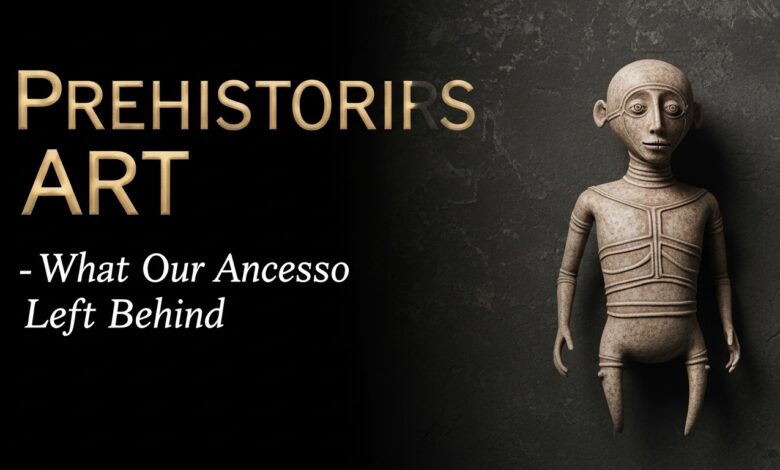
Prehistoric art offers a mesmerizing glimpse into the hearts and minds of our ancient ancestors. Long before written language, humans expressed themselves through images carved in stone and painted on cave walls. These artistic endeavors tell stories that span thousands of years, providing insight into the daily lives, beliefs, and emotions of those who came before us.
Imagine walking through a dimly lit cave adorned with intricate depictions of bison or handprints left by people long gone. Each stroke holds secrets about survival, spirituality, and community. Prehistoric art is not just an aesthetic expression; it’s a window to understanding human evolution itself.
As we delve deeper into this fascinating subject, we’ll explore the various forms these artworks took, their purpose within ancient societies, and how they’ve influenced modern culture. Join me on this journey as we uncover what prehistoric art reveals about humanity’s earliest chapters!
The Different Forms of Prehistoric Art
Prehistoric art takes many fascinating forms, each revealing different aspects of early human life. Cave paintings are perhaps the most iconic. These vivid murals often depict animals and hunting scenes, showcasing both artistic skill and the significance of survival.
Rock carvings or petroglyphs present another intriguing avenue. Created by chipping away at surfaces, these images tell stories etched in stone. They provide insight into rituals or societal beliefs that may have existed.
Portable art is equally captivating—figurines carved from materials like bone or ivory show a focus on fertility and femininity. The Venus figurines are prime examples, celebrating body forms in various cultures.
Ancient textiles highlight human creativity beyond static mediums. Dyes from natural sources colored fabrics used for clothing or decoration, bridging functionality with artistry. Each form serves as a testament to our ancestors’ imaginative spirit and their connection to the world around them.
Significance and Purpose of Prehistoric Art
Prehistoric art serves as a powerful glimpse into the lives of our ancestors. It reflects their thoughts, beliefs, and experiences in a world vastly different from ours.
These artworks were not merely decorative; they had purpose. Many scholars believe that cave paintings and carvings acted as early forms of communication or storytelling. They conveyed essential information about hunting practices, spiritual rituals, and community life.
Moreover, these creations reveal the connection between humans and nature. Animals frequently appear in their work, symbolizing both reverence and dependence on the natural world for survival.
The presence of handprints often suggests personal identity or ownership over space. Such expressions provide insight into social structures within prehistoric communities.
Prehistoric art transcends time. It allows us to understand human evolution not just biologically but culturally too. Each piece carries meaning beyond its age—an echo of ancient voices still resonating today.
Famous Examples of Prehistoric Art
One of the most iconic examples of prehistoric art is the Lascaux cave paintings in France. Discovered in 1940, these vivid depictions of animals showcase remarkable detail and skill. The bison, horses, and deer seem almost alive, revealing a deep connection between ancient humans and their environment.
Another notable site is Altamira in Spain. Its ceiling features stunning polychrome bison that highlight early artists’ use of natural pigments. The vibrancy of these images captivates visitors even today.
In Africa, the rock engravings found at Twyfelfontein tell stories through intricate carvings. These petroglyphs offer insights into hunting practices and spiritual beliefs.
The Venus figurines scattered across Europe serve as mysterious symbols linked to fertility or goddess worship. Each figure varies slightly but reflects similar themes shared among different cultures during prehistory.
Evolution of Prehistoric Art through the Ages
Prehistoric art has undergone significant transformations over millennia. Early cave paintings, often found in locations like Lascaux, feature simple depictions of animals and hunting scenes. These artworks were likely created as part of rituals or to communicate experiences.
As artistic techniques evolved, so did the mediums used by our ancestors. From ochre pigments on stone surfaces to carvings in bone and wood, creativity flourished during this period.
The introduction of portable art forms, such as Venus figurines, marked a shift towards personal expression and symbolism. These pieces conveyed ideas about fertility and femininity.
Later periods saw the emergence of petroglyphs—rock engravings that provided deeper insight into social structures and beliefs. Each era’s artwork serves as a lens through which we can understand prehistoric communities’ lives, aspirations, and fears while revealing their connection with nature.
The Legacy of Prehistoric Art in Modern Society
Prehistoric art continues to resonate in modern society, influencing various forms of expression. Its raw beauty inspires artists and designers in every medium. From cave paintings to intricate carvings, these ancient works spark creativity that transcends time.
In contemporary culture, we see echoes of prehistoric motifs in fashion, architecture, and digital design. The organic shapes found in nature serve as a reminder of our connection to the past.
Museums around the world showcase prehistoric pieces, educating visitors about human history. These artifacts invite curiosity and appreciation for our ancestors’ ingenuity.
Moreover, many communities celebrate their heritage through festivals or workshops focused on traditional techniques inspired by early artworks. This fosters a sense of identity and belonging while preserving ancient practices for future generations.
The storytelling aspect of prehistoric art also thrives today—graphic novels and films often draw from these themes to explore humanity’s origins and shared experiences.
Conclusion
Prehistoric art serves as a remarkable window into the lives of our ancient ancestors. It highlights their creativity, beliefs, and daily experiences. The variety of forms—ranging from cave paintings to intricate carvings—demonstrates both artistic skill and cultural significance.
The legacy left by these early artists continues to resonate today. Their works not only provide insight into human evolution but also inspire modern art and culture. Prehistoric art sparks curiosity about our origins and reminds us that creativity is an intrinsic part of being human.
As we explore the depths of prehistoric creations, we celebrate the connection between past and present. This connection enriches our understanding of history while paving the way for future exploration in arts and humanities. Embracing this heritage allows us to appreciate our collective journey through time, ensuring that these stories endure for generations to come.