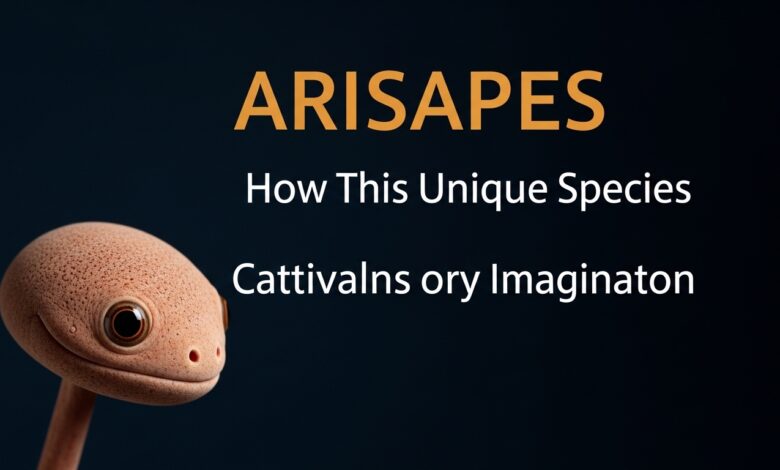
Imagine a creature so unique that it sparks curiosity and wonder in everyone who encounters it. Meet the Arisapes, a species that captivates our imagination with its extraordinary traits and behaviors. From their rich history to their vibrant presence in folklore, Arisapes are more than just animals; they embody stories of resilience and beauty. As we dive into the fascinating world of Arisapes, prepare to be enchanted by their charm and significance in both nature and culture. Join us on this journey as we explore what makes these remarkable beings truly special.
Origin and History of Arisapes
The arisapes have a fascinating origin that dates back centuries. First discovered in the dense rainforests of South America, they are believed to have evolved from ancient ancestors.
Local tribes often regarded them as mystical creatures, weaving tales about their origins and unique abilities. These stories added an air of mystery surrounding the species.
As explorers ventured into these untouched territories, they documented encounters with arisapes. Their vivid descriptions sparked curiosity among naturalists and researchers alike.
Over time, interest grew not just in their biology but also in their role within local ecosystems. This led to early conservation efforts aimed at protecting their dwindling habitats.
Today, understanding the history of arisapes helps us appreciate their significance in biodiversity. Each discovery reveals more about how this captivating species has survived through changing environments and human influence.
Physical Characteristics and Habitat
Arisapes are fascinating creatures that display a range of striking physical characteristics. Their vibrant colors can vary dramatically, from deep blues to fiery reds. This stunning palette serves as both camouflage and a warning to potential predators.
These species typically have elongated bodies adorned with intricate patterns that resemble natural art. Their skin is smooth yet textured, allowing them to thrive in diverse environments.
Habitat-wise, arisapes prefer lush forests or dense shrublands, often near water sources. They are adept climbers, using their sharp claws to navigate vertical terrains with ease.
Some populations have adapted to more arid regions, showcasing remarkable resilience. These adaptations not only reveal the versatility of arisapes but also highlight their incredible ability to coexist within varying ecosystems across the globe.
Behavior and Social Structure
Arisapes exhibit fascinating social behaviors that reflect their adaptability. They thrive in communal settings, often forming tight-knit groups that enhance their survival chances.
These creatures communicate through a series of intricate sounds and body movements, establishing hierarchies within their communities. The dominant individuals play crucial roles in decision-making and resource allocation.
Cooperative behaviors are common among arisapes. They work together to find food and protect each other from potential threats. This teamwork creates strong bonds, ensuring the group’s longevity.
Interestingly, arisapes demonstrate playful interactions during downtime, which reinforces social ties among members. Their ability to engage in both serious tasks and leisure activities highlights a complex emotional world.
Observing these interactions provides insight into their intelligence and adaptability within various environments. These traits not only captivate researchers but also make arisapes an exciting subject for further exploration in animal behavior studies.
Cultural Significance of Arisapes
Arisapes have woven themselves into the fabric of various cultures, symbolizing resilience and adaptability. Artisans frequently depict these creatures in folklore, using their unique traits to convey deeper meanings.
In some communities, arisapes are considered guardians of nature. They represent harmony between humanity and the environment, inspiring respect for biodiversity. This symbolic role fosters a sense of responsibility among local populations.
Festivals celebrating arisapes highlight their importance in storytelling traditions. Through songs and dances, people honor this species’ connection to ancestral wisdom. These events serve as powerful reminders of cultural heritage.
Moreover, arisapes inspire contemporary artists who explore themes of coexistence and conservation through innovative mediums. Their portrayal challenges societal perspectives on wildlife preservation and encourages dialogue about ecological balance in our rapidly changing world.
Conservation Efforts for Arisapes
Conservation efforts for arisapes are gaining momentum across various regions. Organizations and local communities have come together to protect their natural habitats from encroachment and pollution.
Protected areas are being established, ensuring that these unique creatures can thrive in the wild. Reforestation initiatives play a pivotal role in restoring ecosystems vital for their survival.
Research programs focus on understanding arisapes’ behavior and ecology, providing insights into effective conservation strategies. By collaborating with indigenous peoples, conservationists tap into traditional knowledge that enhances protection efforts.
Public awareness campaigns highlight the importance of preserving this captivating species. Engaging educational programs aim to inspire future generations about biodiversity’s value.
Funding remains crucial as many organizations seek resources to implement long-term plans. The collective effort showcases how dedicated individuals can create a lasting impact on the preservation of arisapes and their environment.
The Future of Arisapes and Its Impact on Our World
The future of arisapes holds immense potential for our ecosystems. As their habitats face increasing threats, understanding their role becomes crucial. These creatures are more than just a fascinating species; they contribute significantly to biodiversity.
Innovative conservation strategies can enhance their survival prospects. By protecting arisape populations, we also safeguard the delicate balance within their environments. This interconnectedness underscores the importance of each species in maintaining ecological health.
Research into arisapes may unlock secrets beneficial to medicine and technology. Their unique adaptations could inspire breakthroughs in various fields, from materials science to environmental sustainability.
As awareness grows about the significance of arisapes, communities may rally around conservation efforts. Advocacy can lead to stronger policies that protect not only these remarkable beings but also the planet’s well-being as a whole.
Conclusion
Arisapes are more than just a unique species; they represent a fascinating chapter in our planet’s biodiversity. Their captivating features, social behaviors, and cultural importance highlight the intricate web of life that surrounds us. As we delve deeper into their world, we uncover layers of meaning and connection to our own lives.
The conservation efforts surrounding arisapes remind us of our responsibility to protect such remarkable creatures. Each initiative not only aims to sustain their populations but also enriches our understanding of ecosystems as a whole.
As we look ahead, the future of arisapes is intertwined with environmental changes and human actions. Our commitment to preserving these beings will determine whether they thrive or fade away from existence. The story of arisapes continues to inspire curiosity and respect for nature’s wonders, igniting passion in those who encounter them.
In nurturing this bond between humanity and nature, we can ensure that arisapes remain a part of our shared tapestry for generations to come.