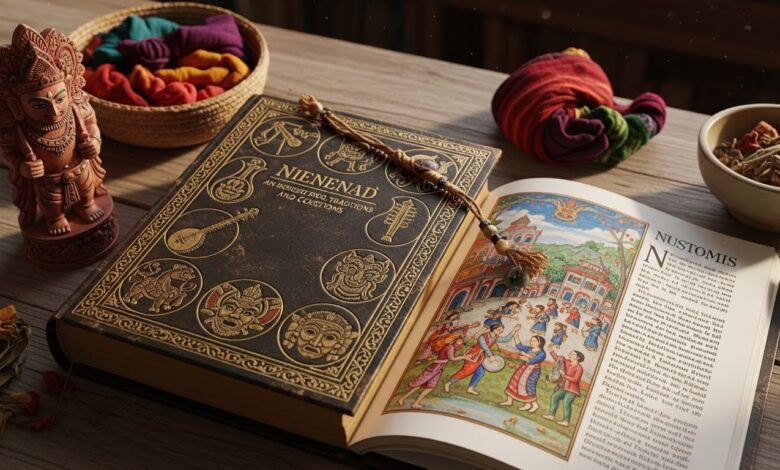
Nestled in the heart of a vibrant landscape lies Nionenad, a community rich with traditions and customs that have been woven together over centuries. This enchanting locale is not just defined by its stunning scenery but also by the warmth of its people who carry forward their unique heritage with pride. From colorful festivals to intricate clothing, every facet of Nionenad tells a story worth exploring.
As you wander through this remarkable place, you’ll find an array of cultural practices that reflect both history and modern influences. The people of Nionenad are known for their hospitality and strong sense of identity, making it an inviting destination for anyone seeking to delve into local life. Join us as we uncover the captivating traditions that shape Nionenad’s essence and learn about what makes this community truly special.
History and Origins of Nionenad Traditions
The history of Nionenad traditions is rich and complex. Rooted in ancient practices, they reflect the harmony between nature and community life.
Many customs date back centuries, influenced by various migrations and trade routes. These interactions forged a unique cultural tapestry that defines Nionenad today.
Oral storytelling plays a vital role in preserving this heritage. Elders share tales that connect generations, passing down wisdom through narratives steeped in local lore.
Rituals often center around seasonal changes, celebrating agricultural cycles with vibrant ceremonies. Such events embody the connection to the land, showcasing respect for ancestral ways.
Moreover, specific symbols and motifs found in art reveal insights into historical beliefs. They tell stories of resilience and adaptation over time within this captivating region.
Nionenad’s traditions are alive with echoes of its past—an ever-evolving legacy shaped by those who honor their roots while embracing change.
Traditional Clothing and Adornments in Nionenad
Traditional clothing in Nionenad is a vibrant reflection of its cultural heritage. The garments are often handwoven, showcasing intricate patterns and bright colors that tell stories of the past.
Men typically wear tunics paired with loose trousers, while women don long skirts adorned with detailed embroidery. Each piece is more than just attire; it’s a symbol of identity and pride.
Adornments play a crucial role as well. Jewelry made from local materials like silver and beads features prominently during festivals and special occasions. These pieces often carry significant meanings or represent family lineage.
Headpieces crafted from flowers or woven fabrics also highlight traditional styles, adding elegance to everyday wear. This connection between clothing and culture fosters unity among the people of Nionenad, celebrating their rich history through fashion choices that have endured for generations.
Unique Celebrations and Festivals in Nionenad
Nionenad bursts into life with its vibrant celebrations and festivals, each steeped in rich local culture. One of the most anticipated events is the Harvest Festival, where villagers come together to honor agricultural abundance. Colorful parades fill the streets, showcasing traditional dances and music.
Another noteworthy celebration is the River Day, dedicated to revering waterways that sustain their lives. Locals gather for boat races and water games, creating a lively atmosphere filled with laughter and joy.
The Night of Lanterns marks a unique occasion when families light candles along riverbanks. This beautiful sight symbolizes hope and unity within the community.
Each festival serves as a reminder of Nionenad’s deep-rooted traditions while fostering connections among residents. The spirit of these events reflects not just history but also resilience and camaraderie that define this remarkable place.
Social Customs and Etiquette in Nionenad
Social customs in Nionenad reflect a deep respect for community and family ties. Greeting rituals often involve warm embraces or gentle handshakes, accompanied by heartfelt smiles. Eye contact is valued as a sign of sincerity.
When visiting homes, it’s customary to bring a small token of appreciation, like homemade treats or flowers. Guests are treated with utmost hospitality; offering food and drink is not just polite but an integral part of the culture.
Dining etiquette holds significance too. Meals often begin with communal prayers or blessings before sharing dishes served on large platters. It’s common to see people using their hands rather than utensils, fostering a sense of connection among diners.
In conversations, locals appreciate genuine interest in their stories and traditions. Asking about one another’s experiences builds bonds that enhance relationships within this vibrant community.
The Role of Food in Nionenad Culture
Food in Nionenad is more than sustenance; it embodies culture and identity. Every dish tells a story, reflecting the region’s history and its people’s values.
Meals are often communal events. Families gather to share food, fostering bonds and reinforcing social ties. Traditional recipes, passed down through generations, highlight local ingredients that celebrate the land’s bounty.
Unique flavors define Nionenad cuisine. Spices from nearby markets mingle with homegrown produce, creating dishes rich in taste and tradition. The preparation of these meals often involves rituals that honor ancestors or seasonal changes.
Festivals frequently feature special foods that hold symbolic meanings. Dishes prepared during celebrations may represent prosperity or fertility, further intertwining gastronomy with cultural heritage.
Moreover, dining etiquette offers insight into societal norms. Respectful behavior at the table mirrors broader customs within Nionenad society—demonstrating hospitality and appreciation for others’ presence while sharing a meal together.
Modernization and Preservation of Nionenad Traditions
As the world evolves, Nionenad faces a delicate balance between modernization and tradition. New technologies and lifestyles are making their way into everyday life, yet there’s a strong desire to hold on to cultural roots.
Community members actively engage in preserving traditional practices. Workshops teach younger generations about local crafts and folklore. These efforts ensure that vital knowledge isn’t lost amidst rapid change.
Social media plays an interesting role too. It bridges gaps between age groups, allowing traditions to be showcased globally while fostering pride within the community.
Yet challenges remain. The influx of modern influences can dilute customs over time. Local leaders advocate for intentional integration—keeping essential elements alive while embracing new ideas that enhance rather than replace tradition.
Through thoughtful actions, Nionenad aims to thrive in contemporary society without sacrificing its rich heritage. This journey reflects a commitment to identity amid ongoing transformation.
Conclusion: Embracing the
Nionenad’s rich tapestry of traditions and customs paints a vivid picture of its people’s identity. The blend of history, unique celebrations, and social etiquette showcases a society that values heritage while navigating the currents of modernity. Traditional clothing tells stories of old, while vibrant festivals bring communities together in joyous expression.
Food plays an integral role in Nionenad culture, acting as both sustenance and celebration. Each dish carries with it a piece of history, connecting generations through shared meals and recipes passed down through time.
As modernization continues to shape the world around us, Nionenad stands at a crossroads. Many are dedicated to preserving their unique ways while adapting to new influences. This balance between tradition and change is crucial for keeping the spirit of Nionenad alive for future generations.
Embracing this duality allows for growth without losing sight of cultural roots. The people of Nionenad are living testaments to resilience and adaptability—a beautiful dance between honoring the past and welcoming what lies ahead.