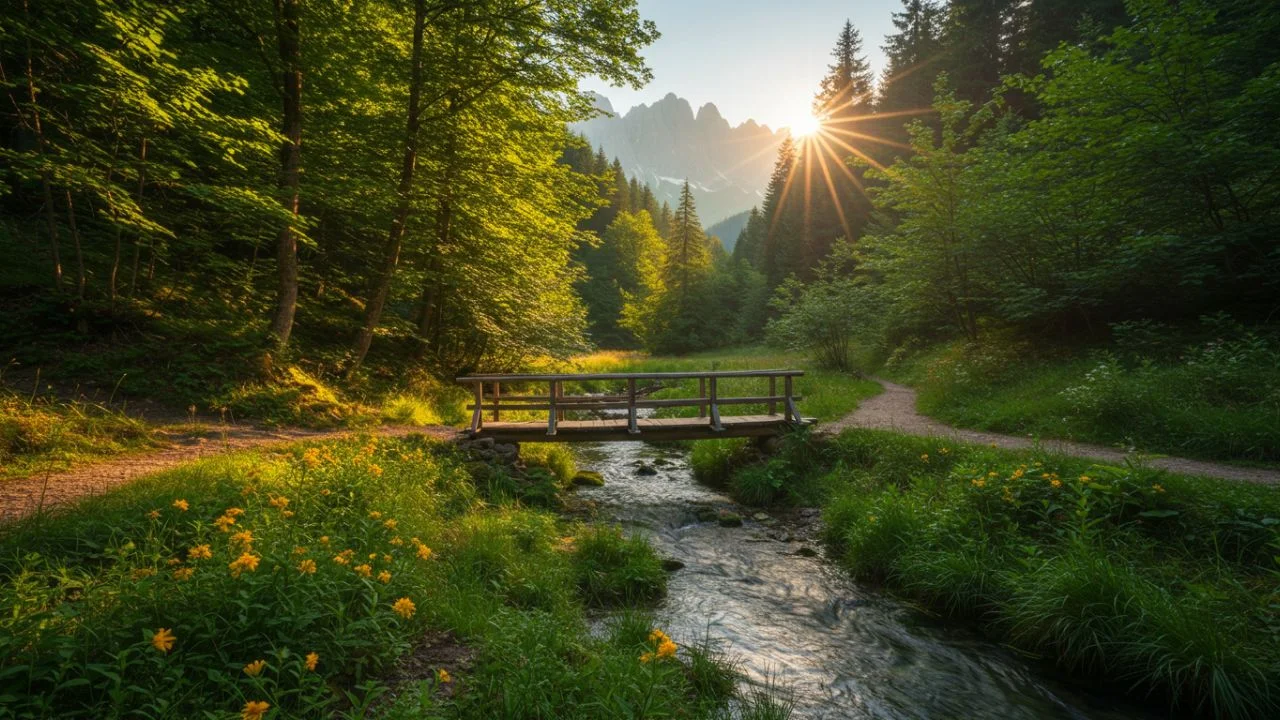
Nestled in the heart of Russia, Mebalovo is a captivating destination that often flies under the radar. This quaint village offers an enchanting blend of natural beauty and rich history, making it a perfect spot for travelers seeking something off the beaten path. Whether you’re wandering through its scenic landscapes or immersing yourself in local traditions, Mebalovo promises unique experiences at every turn. Get ready to uncover this hidden gem that invites you to explore its charm and warmth like never before.
History and Culture of Mebalovo
Mebalovo’s history is rich and layered, reflecting the resilience of its people through the ages. Founded in the early 18th century, this quaint village captures a blend of traditional Russian influences and local customs.
The architecture showcases wooden houses adorned with intricate carvings, linking visitors to eras long gone. Each structure tells a story, whispering tales of generations past.
Culturally vibrant, Mebalovo hosts various festivals throughout the year that celebrate age-old traditions. Folk music fills the air during these events as locals don colorful costumes and perform lively dances.
Artisans still practice their crafts here, from pottery to weaving. These skills are passed down through families, preserving a way of life that honors both heritage and craftsmanship.
Exploring Mebalovo offers an intimate glimpse into rural Russian culture—a tapestry woven with history and community spirit that continues to thrive today.
Things to Do in Mebalovo
Mebalovo offers an array of activities for every type of traveler. Nature enthusiasts can explore the vast forests surrounding the village. Hiking trails reveal breathtaking views and hidden spots perfect for a quiet picnic.
For those seeking cultural experiences, visit local museums that showcase Mebalovo’s rich history. Engaging exhibits provide insights into the area’s traditions and heritage.
Adventure seekers might enjoy fishing in nearby rivers or trying their hand at kayaking during warmer months. The tranquil waters are ideal for some peaceful time on nature.
Don’t miss out on community events if you’re lucky enough to time your visit right. Local festivals often celebrate traditional crafts, music, and dance, offering visitors a genuine taste of life in Mebalovo.
Whether you’re wandering through serene landscapes or diving deep into cultural exploration, Mebalovo has something special waiting for you around every corner.
The Unique Cuisine of Mebalovo
Mebalovo’s culinary scene is a delightful fusion of tradition and innovation. Local ingredients take center stage, showcasing the region’s agricultural richness.
One must-try dish is the famous Mebalovo borscht. This vibrant beet soup bursts with flavor, often served alongside homemade sourdough bread.
Another local favorite includes dumplings filled with seasonal vegetables or savory meats. They are typically boiled to perfection and finished off with a drizzle of melted butter.
Don’t miss out on sampling regional cheeses too. Artisanal production methods create unique flavors that pair well with local wines.
For those craving something sweet, traditional pastries like honey cakes offer a delicious glimpse into Mebalovo’s baking heritage. Each bite tells a story of culture and community, making dining here an experience worth savoring.
Accommodations in Mebalovo
Mebalovo offers a range of accommodations to suit all types of travelers. From cozy guesthouses to charming lodges, you’ll find something that fits your needs.
One popular option is the local bed and breakfast. These establishments provide a warm atmosphere and often include homemade meals featuring regional ingredients. It’s a great way to immerse yourself in Mebalovo’s culture.
For those seeking more modern amenities, there are several small hotels in the area. They typically offer comfortable rooms with stunning views of the surrounding landscape.
If you’re feeling adventurous, consider renting a cabin or cottage nearby. This allows for privacy while still being close enough to explore everything Mebalovo has to offer.
Whichever choice you make, you’ll be greeted by friendly locals who are eager to share their love for this hidden gem.
How to Get to Mebalovo
Getting to Mebalovo is an adventure in itself. If you’re traveling from Moscow, the journey takes about two hours by car, making it a perfect weekend getaway.
Public transport options are also available. Regular trains depart from the bustling Kursky railway station and whisk you away to nearby towns. From there, local buses or taxis can take you directly into Mebalovo.
For those who prefer road trips, renting a car offers flexibility. The scenic routes through lush forests and quaint villages add charm to your travel experience.
Keep in mind that navigating rural areas may require some GPS assistance, as signage can be limited. Enjoy the ride; every mile brings you closer to this hidden gem waiting for exploration.
Conclusion: Why You Should Visit Mebalovo
Mebalovo is a destination that combines tranquility and charm. Its rich history and vibrant culture offer visitors a unique experience, far from the usual tourist trails. Whether you are drawn by its scenic landscapes or the warmth of its community, Mebalovo has something for everyone.
Exploring the local cuisine can be an adventure in itself. The flavors reflect the region’s heritage and make dining here memorable. You’ll find cozy accommodations that provide comfort after a day of exploration.
Getting to Mebalovo is straightforward, making it an accessible getaway for those seeking respite in nature or cultural enrichment.
Visiting Mebalovo means immersing yourself in authentic experiences and creating lasting memories away from crowded hotspots. It’s time to discover this hidden gem for yourself; you won’t regret it.