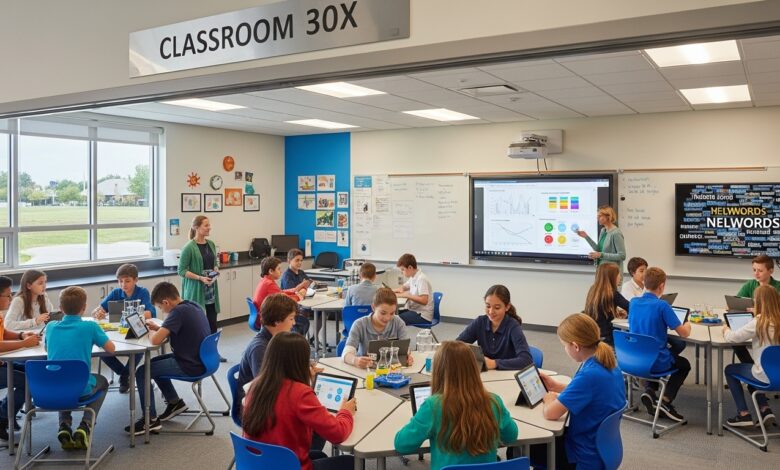
Imagine stepping into a classroom where students are not just passive listeners but active participants, collaborating and engaging with the material in ways that spark creativity and critical thinking. Classroom 30X is revolutionizing traditional educational practices, transforming how teachers connect with their students. This innovative approach goes beyond mere lectures and textbooks; it fosters an environment where learning thrives through interaction, technology, and hands-on experiences.
As we dive deeper into what Classroom 30X entails, you’ll discover how this model contrasts sharply with conventional teaching methods. Get ready to explore the benefits for both students and educators alike, as well as practical strategies that make this dynamic framework come alive in real-world settings. Whether you’re an educator seeking fresh ideas or a parent intrigued by new trends in education, understanding the essence of Classroom 30X will open your eyes to a more engaging future for learners everywhere.
The Traditional Classroom Model vs. Classroom 30X
The traditional classroom model often relies on a one-size-fits-all approach. Teachers deliver lectures while students passively absorb information. This method can lead to disengagement, as different learning styles are left unaddressed.
Classroom 30X flips this script. It emphasizes student-centered learning and active participation. Instead of simply listening, students engage in discussions, collaborate on projects, and explore topics hands-on.
This dynamic environment fosters critical thinking and creativity. Students are encouraged to ask questions and seek answers together rather than waiting for the teacher’s guidance at every turn.
In Classroom 30X, technology plays a key role too. Interactive tools enhance lessons, making them more relatable and exciting for today’s learners.
While the traditional model focuses heavily on rote memorization and standardized testing, Classroom 30X prepares students for real-world challenges by developing skills that matter beyond school walls.
Benefits of Classroom 30X for Students and Teachers
Classroom 30X revolutionizes the learning experience for both students and teachers. For students, it fosters a more engaging environment where active participation is encouraged. This leads to improved retention of information and greater enthusiasm for learning.
Teachers also benefit immensely from this model. With interactive tools at their disposal, they can tailor lessons to meet diverse student needs in real-time. This adaptability not only enhances teaching effectiveness but also minimizes classroom disruptions.
Moreover, Classroom 30X promotes collaboration among peers. Students learn to work together on projects, enhancing their communication skills while building camaraderie.
Additionally, assessment becomes more dynamic under this approach. Continuous feedback allows educators to monitor progress closely and adjust strategies as necessary.
This synergy between innovative teaching methods and engaged learners creates a vibrant educational atmosphere that inspires growth and exploration.
Techniques and Strategies used in Classroom 30X
Classroom 30X employs a variety of innovative techniques to elevate student engagement. One cornerstone strategy is collaborative learning. Students work in small groups, fostering teamwork and enhancing communication skills.
Another effective method is the use of technology tools. Interactive platforms allow students to participate actively through quizzes and polls, making lessons dynamic and enjoyable.
Flipped classrooms are also prominent within Classroom 30X. In this model, students review content at home and engage in hands-on activities during class time. This approach encourages deeper understanding.
Gamification adds an exciting twist to traditional lessons. By integrating game elements into tasks, educators can motivate students to achieve their goals while having fun.
Personalized learning paths cater to individual needs, enabling each student to progress at their own pace. These diverse strategies create a rich educational tapestry that captivates learners’ interests daily.
Real Life Examples of Successful Implementation
Success stories abound in schools embracing Classroom 30X. At Maple Grove High, teachers adopted flexible seating arrangements to foster collaboration. Students thrived as they moved away from traditional desks and embraced group work on bean bags or standing tables.
In another instance, Hillcrest Elementary integrated technology seamlessly into their curriculum. Utilizing tablets for interactive lessons transformed how students engaged with subjects like science and math. The hands-on approach sparked a newfound interest among reluctant learners.
Westfield Academy implemented project-based learning within the Classroom 30X framework. Students tackled real-world problems, encouraging critical thinking and creativity while working in diverse teams.
These examples illustrate the versatility of Classroom 30X across different educational settings. Each school tailored its approach to meet unique student needs, showcasing the model’s adaptability and effectiveness in enhancing engagement and learning outcomes.
Challenges and Solutions for Adopting Classroom 30X
Adopting Classroom 30X can come with its own set of challenges. One common hurdle is resistance to change from both educators and students. Many are accustomed to traditional teaching methods, making it difficult to embrace new approaches.
Another challenge involves the integration of technology. Schools may lack the necessary resources or infrastructure, limiting access for everyone involved. This disparity could lead to unequal learning experiences.
To tackle these issues, professional development programs for teachers can be beneficial. Workshops focused on effective strategies for implementing Classroom 30X will build confidence among educators.
In terms of technology, investing in robust digital tools is essential. Schools might consider partnerships with tech companies that provide discounts or grants for educational institutions.
Creating a culture of openness also helps ease the transition. Encouraging feedback from students and teachers fosters collaboration and allows everyone to feel part of the evolution toward an engaging classroom environment.
Conclusion: The Future of Education with Classroom 30X
The landscape of education is evolving, and Classroom 30X stands at the forefront of this transformation. By integrating innovative strategies that prioritize student engagement, teachers can create dynamic environments where learning flourishes.
This model encourages collaboration and critical thinking while utilizing technology to enhance the educational experience. As schools embrace this approach, they foster a culture that values creativity and adaptability—traits essential for success in today’s world.
With its focus on personalized learning experiences, Classroom 30X not only benefits students but also empowers educators to refine their methods. This shift opens doors to new opportunities for growth within the classroom.
As we look ahead, it’s clear that embracing Classroom 30X could redefine how knowledge is imparted. The future of education may very well hinge on our willingness to innovate and engage actively with learners in ways previously unimagined. In fostering an environment rich in interaction and exploration, we prepare students not just for tests but for life beyond school walls.