Ladybugs are more than just charming little insects that flutter around your garden. Known for their vibrant colors and spots, these tiny creatures play a significant role in controlling pests while also captivating our hearts. But have you ever wondered what keeps them thriving? The answer lies largely in their diet. Just like us, the food they consume can dramatically impact their lifespan and behavior. In this article, we’ll dive deep into the fascinating world of ladybug diets and explore how what they eat influences everything from how long they live to how effectively they carry out their roles in nature. Whether you’re an insect enthusiast or simply curious about these delightful beetles, you’ll find plenty of intriguing insights ahead!
The Role of Diet on Ladybug Lifespan
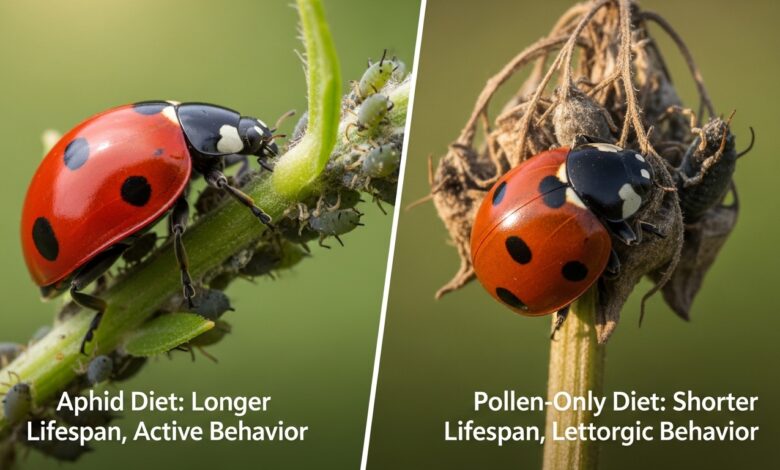
The diet of ladybugs plays a critical role in determining how long they live. When these charming beetles consume nutritious food, their lifespan can significantly increase.
A well-balanced diet rich in aphids and other soft-bodied insects provides essential nutrients. This helps them grow stronger and healthier, aiding their natural defenses against predators.
Conversely, if ladybugs don’t have access to quality food sources, their life expectancy may dwindle. Poor nutrition can weaken their immune systems and reduce reproductive success.
Research shows that ladybug larvae thrive on high-protein diets during the early stages of development. This nutrient boost not only supports growth but also enhances survival rates into adulthood.
The right diet is crucial for maximizing both longevity and vitality in these fascinating creatures.
Effects of Different Diets on Ladybug Behavior
Ladybugs display fascinating behaviors that can be influenced by their diet. When fed a steady supply of aphids, these beneficial insects become more active hunters. Their natural instincts kick in as they seek out food.
Conversely, a limited diet leads to lethargy. Ladybugs deprived of their favorite snacks may show less interest in exploring their environment or engaging with others.
Interestingly, different food sources can also affect mating behavior. A well-fed ladybug is more likely to engage in courtship displays and successfully attract mates.
Moreover, the presence of certain foods can impact social interactions among ladybugs. For instance, sharing a meal may promote bonding while competition for scarce resources could lead to aggression.
In essence, what they eat not only fuels their bodies but shapes how they act within their habitats and communities.
Optimal Diet for Ladybugs
To ensure ladybugs thrive, an optimal diet is essential. These vibrant beetles primarily feast on aphids, which provide them with the protein needed for growth and reproduction.
In addition to aphids, ladybugs appreciate a variety of soft-bodied insects. Thrips and spider mites are fantastic options that can help diversify their diet. This diversity not only enhances their nutrition but also supports healthier ecosystems.
Plant pollen serves another vital role in a ladybug’s diet. It offers necessary carbohydrates, boosting energy levels during active periods. Flowers like dandelions or sunflowers attract these beneficial insects while providing food sources.
Ensuring access to clean water is crucial for hydration and overall health. A small dish filled with water can make a significant difference in keeping your local ladybug population thriving and happy.
How to Attract Ladybugs with the Right Food
Attracting ladybugs to your garden can be a delightful experience. One of the best ways to do this is by providing them with their favorite foods.
Planting flowers like dill, yarrow, and fennel can create an inviting space. These plants not only look beautiful but also serve as food sources for adult ladybugs.
You can also introduce aphids into your garden. Ladybugs love these tiny pests, making them a perfect snack. Just ensure you have enough natural prey available without overwhelming your plants.
Consider leaving some areas of your garden undisturbed. This creates a habitat where ladybugs can find shelter and additional food sources beyond what you’ve planted.
Avoid using pesticides in your gardening practices. Chemicals can deter ladybugs from visiting and harm their populations over time. A safe environment encourages them to stick around longer.
Other Factors that Affect Ladybug Health and Well-being
Beyond diet, several factors influence ladybug health and well-being. Environmental conditions play a crucial role. Temperature fluctuations can impact their activity levels and reproductive success.
The presence of predators is another significant concern for ladybugs. Birds and spiders often see them as tasty snacks, so a safe habitat is essential for their survival.
Pollution also poses risks to these beneficial insects. Contaminated water or pesticide-laden plants can lead to reduced populations or compromised immune systems.
Moreover, habitat diversity enhances ladybug resilience. A varied landscape with different plant species supports not just food availability but also shelter from harsh weather and predators.
Seasonal changes affect their life cycle stages—especially during overwintering when they seek refuge in sheltered areas. All these elements combined shape the overall health of ladybugs in any given environment.
Conclusion
Ladybugs are fascinating creatures, often admired for their striking colors and beneficial role in gardens. Their diet plays a crucial part in determining not only their lifespan but also their behavior. A balanced intake of aphids, pollen, and nectar can significantly enhance the health of these insects.
Understanding the impact of diet on ladybug behavior reveals that what they eat influences how active and effective they are at pest control. Providing them with an optimal diet ensures that these little helpers thrive in your backyard or garden.
Attracting ladybugs is simpler than you might think. By planting specific flowers and herbs rich in nutrients, you create a welcoming environment where they can flourish. Remember that while diet is vital, other environmental factors contribute to their well-being as well.
Fostering healthy ladybug populations through thoughtful dietary choices benefits not just the bugs but your entire ecosystem too. These small beetles play a significant role in maintaining balance within nature’s intricate web. So next time you see one buzzing by, consider its nutritional needs – it may just be working hard to keep your garden thriving!